
India , for decades , has been a manual-car market, however with the inflow of automatic transmissions, the ‘art of driving a manual car’ might be in jeopardy. However, owning and driving a manual automotive remains a dream for a lot of people. As we’re already well aware, knowing how to do something and learning the art are always two different things.
Before going into details , lets start with talking about what, as an individual , who wishes to drive a manual car transmission has to know before actually taking it out for a spin.
It’s of most extreme significance to understand the various pedals and levers associated with driving a vehicle. To brake it down into a simple method, lets take ABC formula to be of utmost importance.
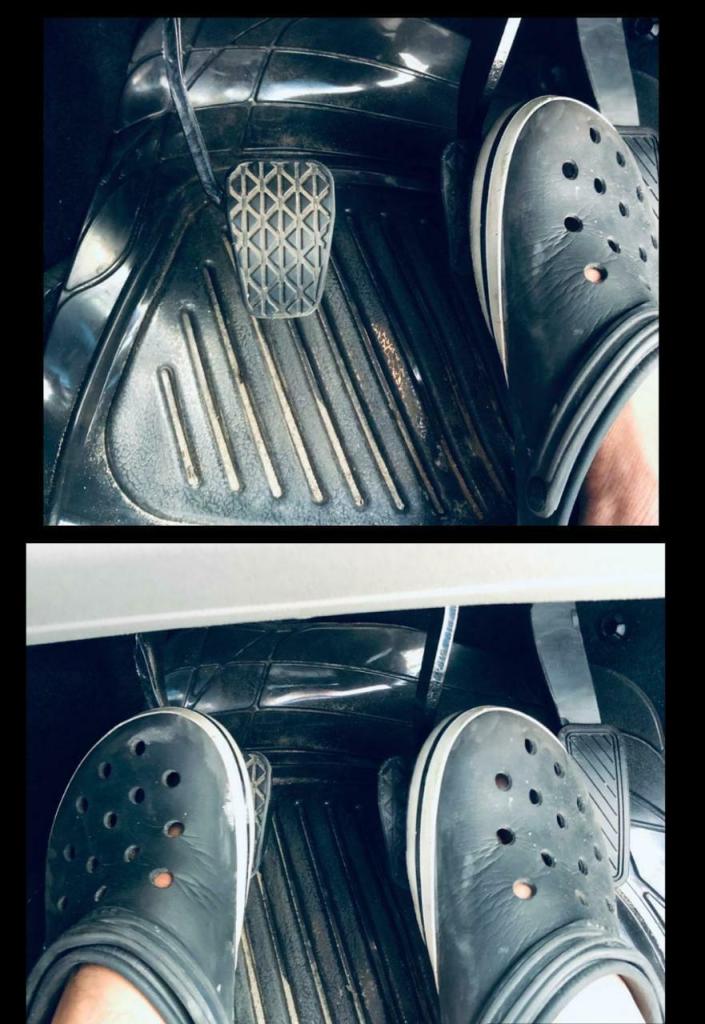
The ABC ( Accelerator , Brake , Clutch) pedals and the gear stick, The pedal on the extreme right is called the accelerator , and the pedal on the extreme left is called the Clutch while the one in the centre is called a Brake,
Accelerator – The Accelerator pedal is used to accelerate and to get the car to move from a halt, needless to say that the more you accelerate , the vehicle moves faster.
Brake – The brake pedal , as the name suggests, is to get down the speed that the vehicle is moving at or to decelerate the vehicle so it can come down to a halt. Similar to acceleration , the more force you apply to the pedal , the harder the car will brake.
Clutch– The Clutch pedal is the most critical of the three, as it is used to slot in the gear and get the car to move. It is with the use of this pedal that you can control the speed at which the car is moving as well as to transfer the power to the tyres.
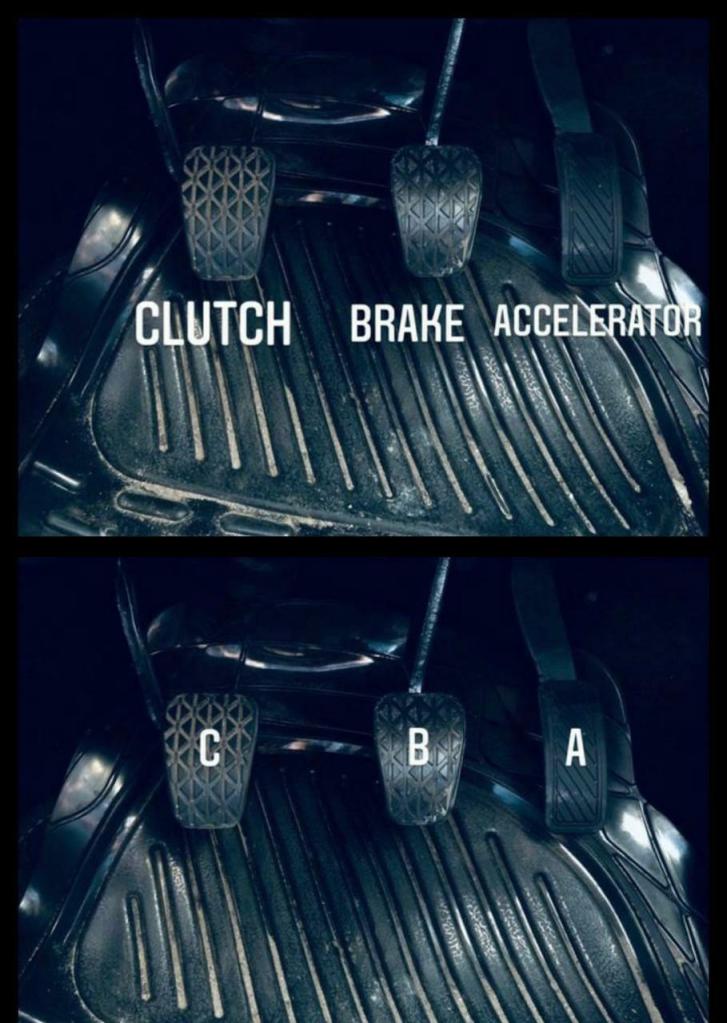
STEPS TO DRIVE A MANUAL TRANSMISSION VEHICLE
Before you turn the car on , always make sure that the seat is adjusted according to your preference and that you have put your seatbelt on. The next step is to make sure that you have familiarised yourself with the gear shifts as mentioned on the gear stick
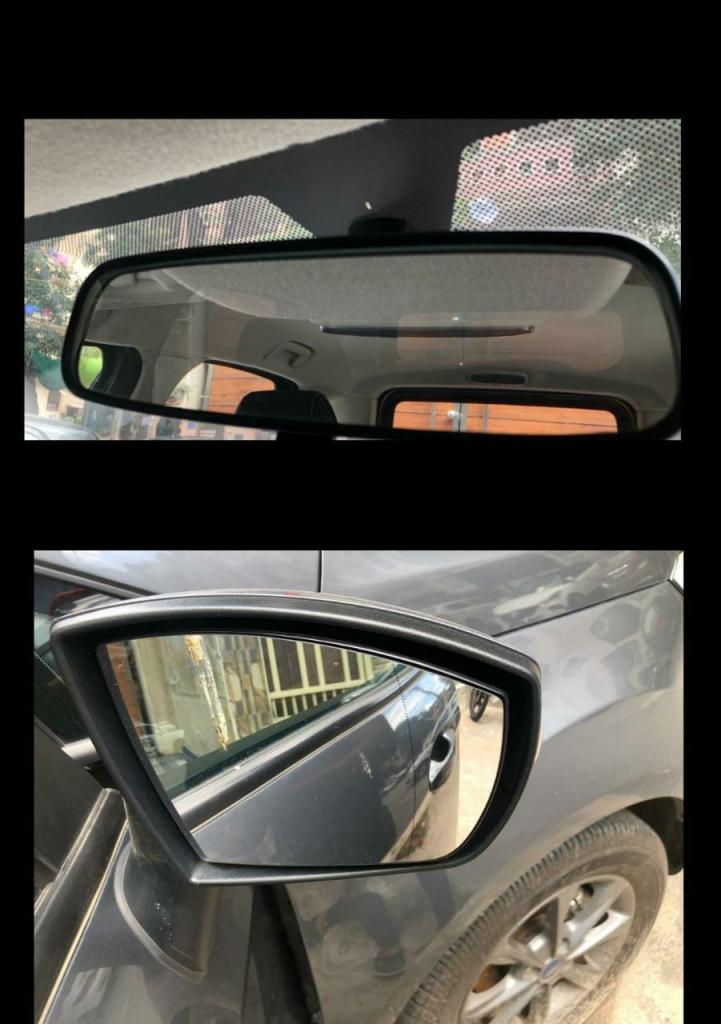
- 1. Adjust Your Mirrors
- After you have made your self comfortable after sitting in the car , the next step is to adjust your rear view mirror as well as your side mirrors so it’s easy for the person driving to switch lanes and to be aware of the cars around you
- 2. Always Start The Car in Neutral
- The second step is to always keep in mind that you start your car in neutral. One should always start the car in neutral to avoid any hiccups which might lead to an unnecessary accident.
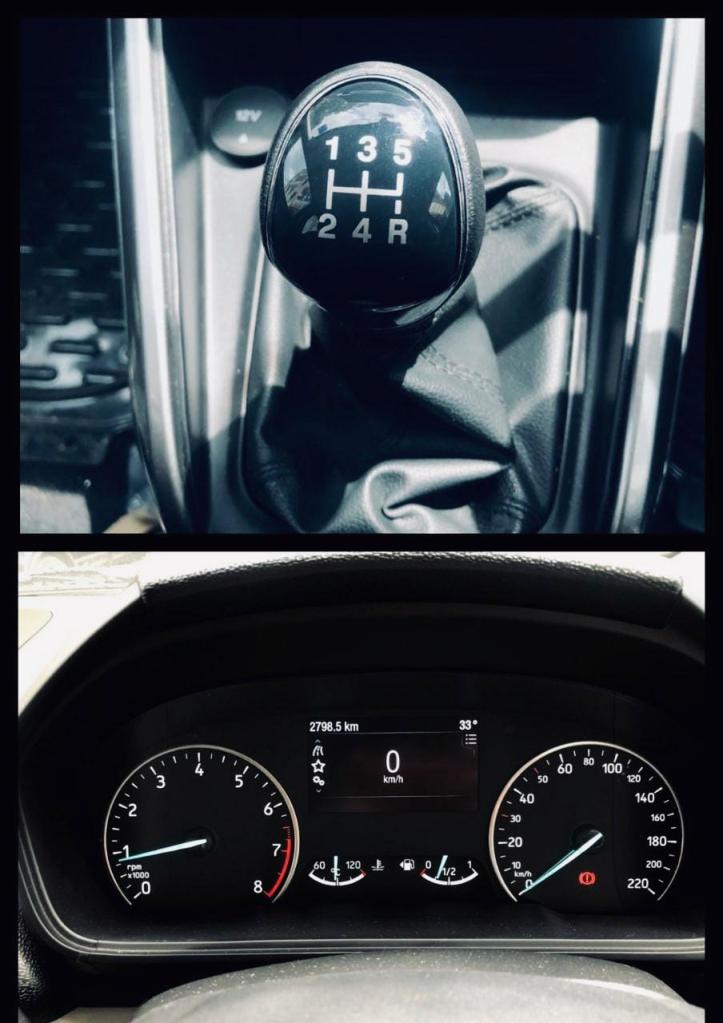
- 3. Shift Into The First Gear
- Now that you have started the car in Neutral , and now that the engine is running , the driver of the car should engage his/her left leg with the clutch and shift the gear-lever into the first gear.
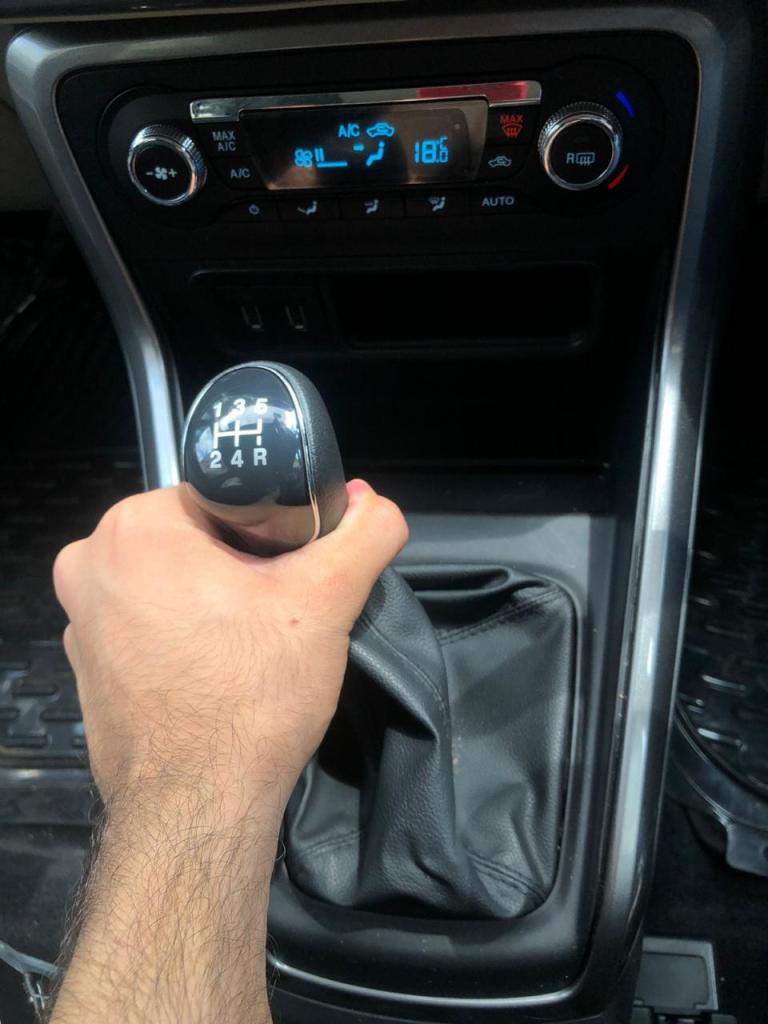
- 4. Set the Car In Motion
- To get the vehicle under way, separate the leaving brake while guaranteeing the grip pedal is as yet discouraged. Try not to quicken now. Presently, begin lifting the grip pedal until you notice a drop in fires up and the grasp plates begin to come in contact. Now, withdrawing the grasp further will make the vehicle move ahead with no accelerating input.
There are chances that the car will stop a number of times , after which the driver will have to turn the car ignition off and turn it on once again in order to move the car. Moreover, once the car is moving always remember to release the clutch.
- 5.Upshifting Into Higher Gears
- With the vehicle moving, withdraw the quickening agent, draw in the grip and change the gear-switch into second rigging by following the move design. When you upshift, discharge the grip and begin applying moderate choke contributions to look after energy. The typical upshift point is the point at which the motor fires up between 1,500-2,500rpm in petroleum fueled vehicles and between 1,200rpm to 2,000rpm for diesel.
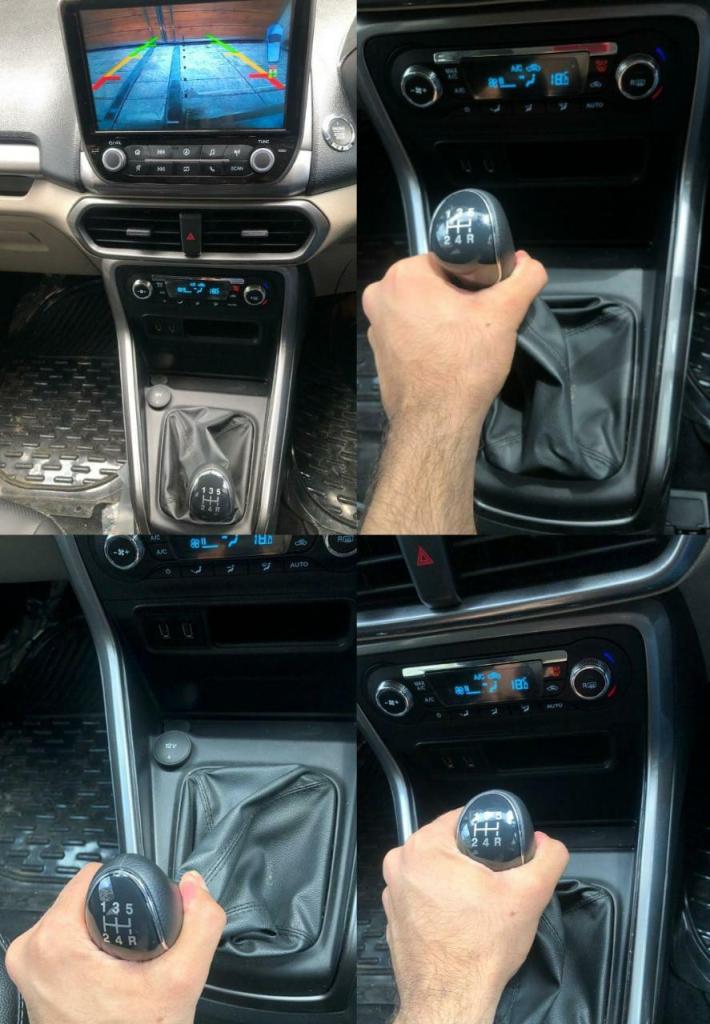
- 6.Downshifting to Lower Gears
- On the off chance that you experience a traffic jam and begin easing back down, you’ll notice that the vehicle begins shivering. In such a situation, you should downshift a couple of gears by following a similar procedure of releasing the accelerator, discouraging the grip and downshifting to a lower gear (say, from third to second).
- 7.Stopping A Manual Car
- In order to stop the manual car you need to first stop accelerating and get the gear to neutral and then let the car freewheel if there is some distance in front of you. Now, slowly apply force on the brake pedal and the car wwill slowly come to a hault. In emergency situations, the clutch pedal has to be forced with the left leg while the right leg has to be forced on the brake pedal in order to stop the car immediately.
- 8.Reversing the Car
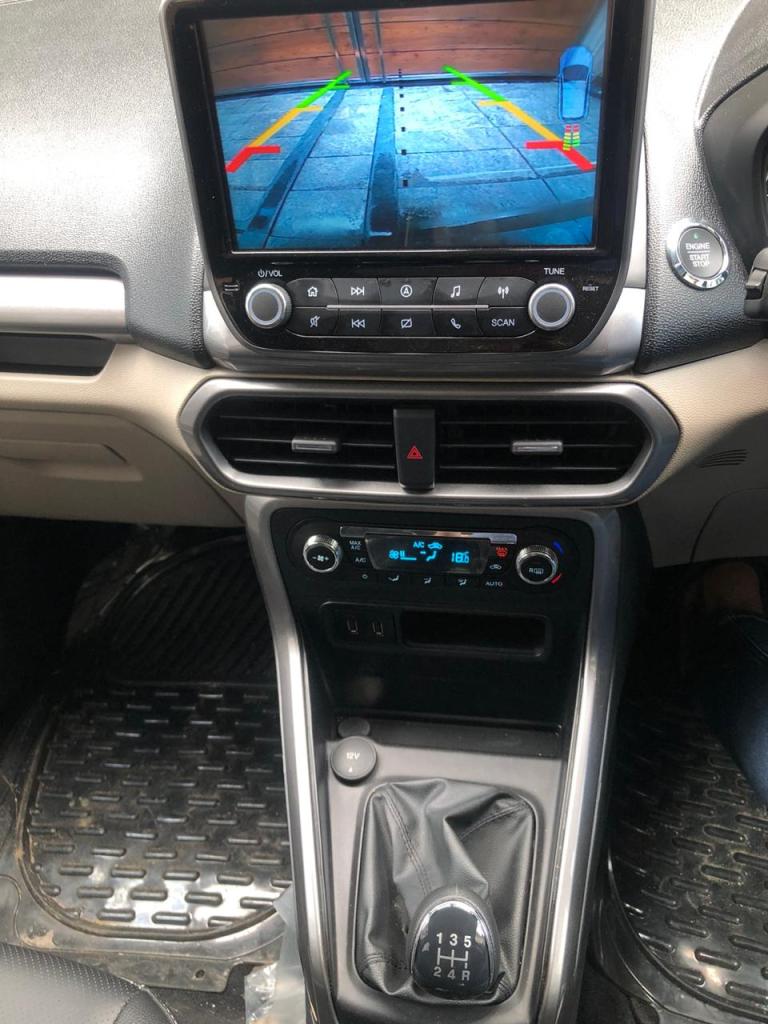
- The first step while reversing the car is to ensure that your car is at a halt. For cars that do not have a rear camera, the driver has to check his surroundings and whether or not is there somebody or something behind him/her in order to ensure safety. In case of camera and sensors, the sensors are able to sense any activity and warn the driver in case of danger.
- 9.Parking the Car
- In order to park a manual car , the manual transmission doesn’t have a park mode which is usually seen in automatic transmission vehicles. It is always safer to park the car in the first or the second gear in order to avoid any movement of the vehicle as it is possible if the car is parked in a neutral gear , without the hand brake pulled up.
 Hrdaya Manwani
Great work. Really helpful
LikeLike
Very informative and easy to understand ☺️
LikeLike
I am new to driving thank you so much this article has helped me a lot to inculcate the correct method of driving and helped me evaluate what I was doing wrong earlier Thank you so much the automobilepost
LikeLike
I am new to driving thank you so much this article has helped me a lot to inculcate the correct method of driving and helped me evaluate what I was doing wrong earlier Thank you so much the automobilepost
LikeLike
Impressive! Thanks for the information.
LikeLike
Great work!! Will definitely keep these points in mind the next time I drive.
LikeLike
Very informative and well written!
LikeLike
Niceee
LikeLike
Very informative!!! Thanks Mr. Hrdaya
LikeLike
I can finally get a driving license!!
LikeLike
Very insightful! Can finally get myself to learn driving !!
LikeLike