AIR POLLUTION

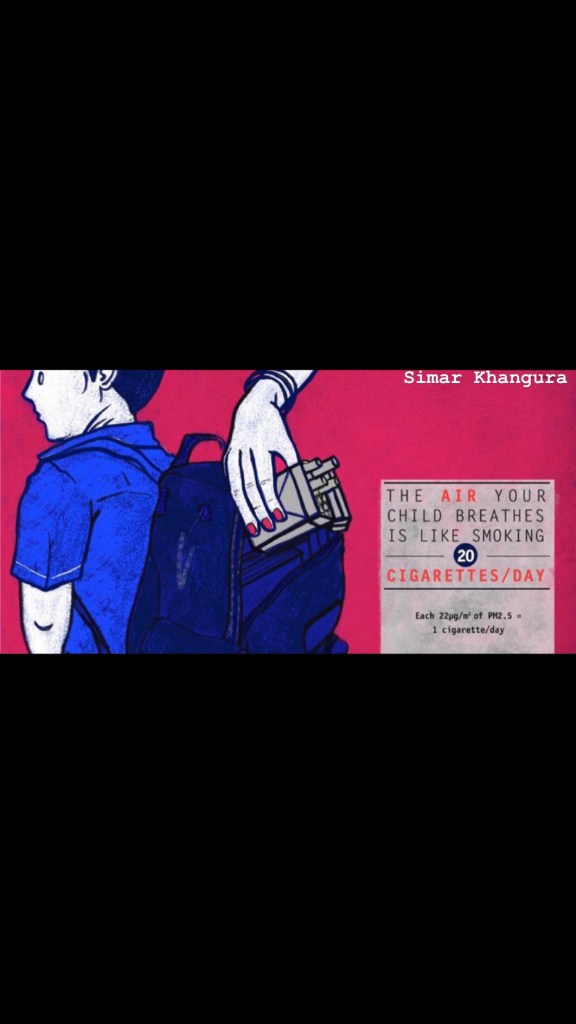
Accurate, timely information can be a powerful tool to mitigate harmful effects of air pollution. While national guidelines for environmental risk communication – based on risk and crisis communication principles – exist, little is known how these are operationalized, nor about the effectiveness of existing communication efforts.

This poster aimed to identify and critically evaluate public sources of information about the causes and controllability of air pollution and its health effects, and potential disparities in information reach and utility.

The poster aims to bring a change and make people aware of the risks of air pollution.

Local authorities need to improve their co-ordination and collaboration, the role of the mass-media needs to be considered carefully, air quality needs to be better described and its implications for individuals spelled out and certain public groups need special consideration. In addition, local authorities need more guidance on communicating air quality, possibly through a best practice guide. Further research is required to identify the best descriptors for air quality, to improve the effectiveness of public advice during episodes of poor air quality and to use public air quality information to effect behavioral changes.
A Continuum

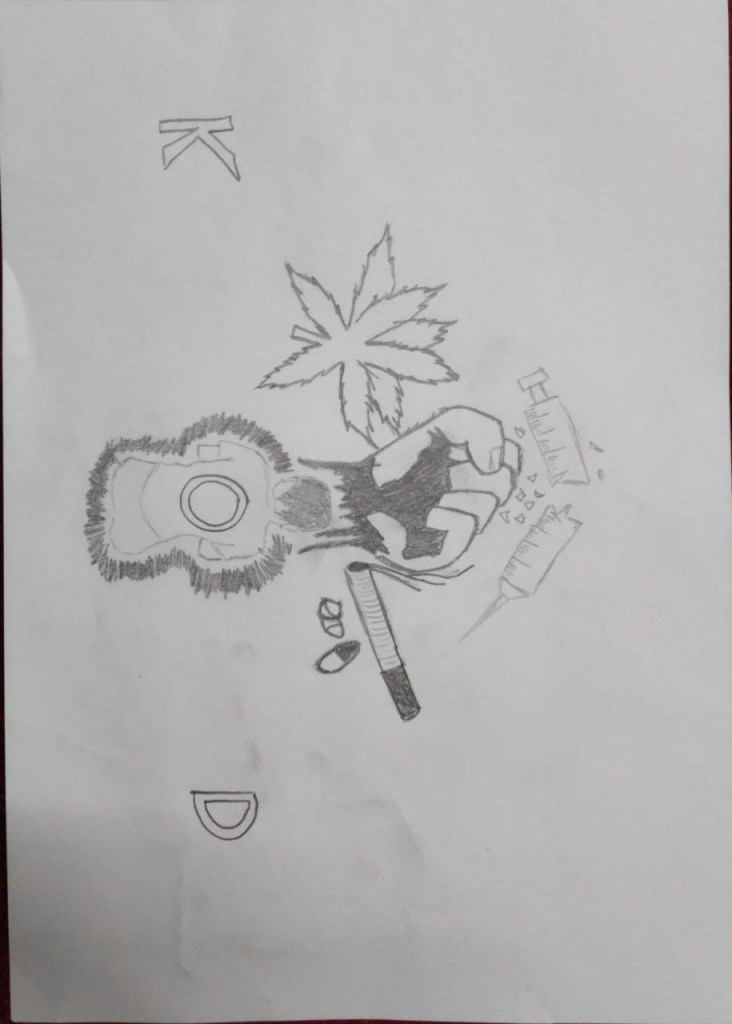
I think use and misuse are a continuum. This doesn’t mean the one essentially prompts the other. There are a lot of individuals who can and do utilize drugs recreationally, without their utilization going to mishandle.

I believe it’s truly difficult to pinpoint precisely when use goes to manhandle. I envision the change is a progressive cycle for a great many people: I can’t envision somebody would enthusiastically give themselves a substance misuse issue. Obviously, there are consistently special cases.

I would danger an estimate that utilization goes to manhandle (or ‘abuse’, as it’s most generally named in the UK) when it starts to routinely/exponentially meddle with the client’s day by day life, for example:

making issues at work (or study), either in light of the fact that the client can’t accomplish the work because of sleepiness/absence of fixation, and so forth, or on the grounds that they use while working

making issues at home on the grounds that the client doesn’t add to family life so much or as well as possible, for example bringing up kids, adding to the accounts of the family and so forth

done being mindful with the manner in which the substance is utilized, subsequently gambling long haul medical conditions that can be because of abuse of the substance itself (for example cirrhosis of the liver) or because of the way of life (for example sharing needles)

placing the client in peril socially, genuinely, and mentally, for example in the event that a client feels they have no other option except for to take part in criminal behavior to help their propensity

Once more, the accentuation is on routinely/exponentially. Going up to work with a headache doesn’t make you a heavy drinker. Shooting heroin with your amigo doesn’t make you an addict. Having a shouting match with your folks doesn’t mean you have a substance abuse issue.

It’s the point at which these occurences begin turning into the standard, and begin pushing out your happiness regarding life that I would think you are most likely manhandling drugs.

I would state it’s practically similar to reformist limited focus: when you gradually begin dismissing the master plan of life, and zeroing in increasingly more on acquiring and utilizing the drug.

So I guess another approach to think about the inquiry is ‘When does recreational drug use become drug misuse?’. ‘Recreational’ being the usable word.

These are my considerations at any rate. I would invite remarks on the off chance that anything I said was incorrect or immaterial.

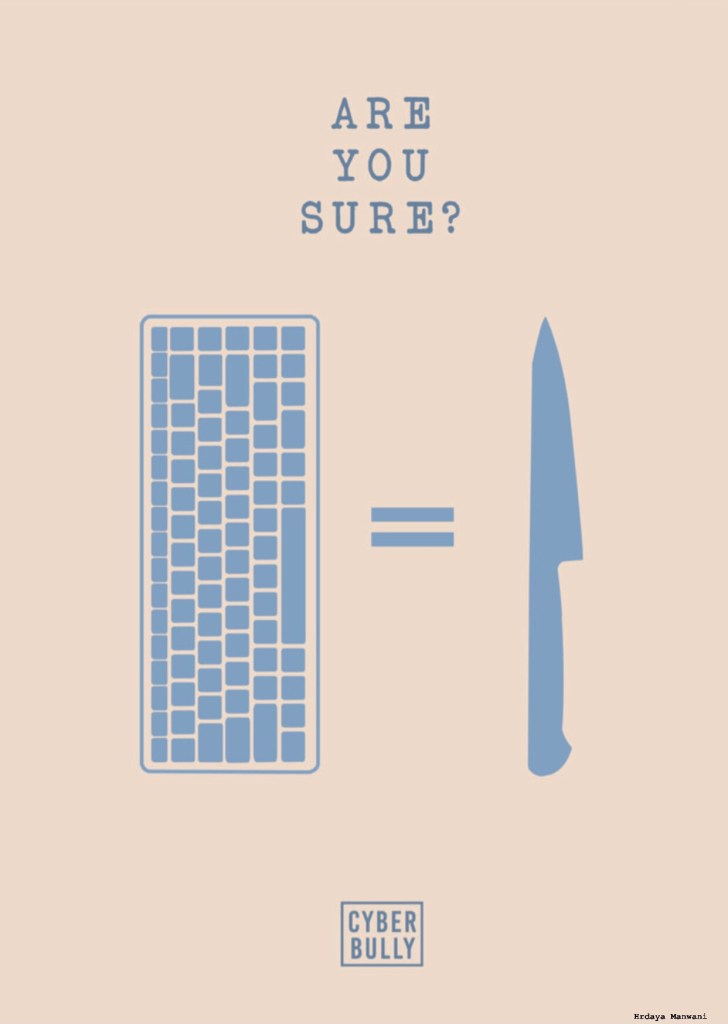
CYBER BULLYING

Many of us have dealt with bullying at some point in our lives. For kids today, however, bullying is more pervasive than ever, thanks to rapidly advancing technologies and like mobile devices and social media platforms.
Bullying used to take the form of harsh words on the playgrounds, shoves in the hallways, or notes passed in study hall. Today, it can be done from and to anywhere — often anonymously.

The term “cyber bullying ” includes a range of aggressive behaviors committed via modern technology. The goal of cyberbullying is to harass, demean, intimidate, or taunt another person with the intent to hurt or embarrass them. The most common forms of cyberbullying are offensive name-calling or the spread of false or harmful rumors.

In contrast with in-person threats, cyberbullying makes use of internet technologies, mobile devices, video games, and social media. Much our children’s lives are conducted across virtual communication systems like Facebook, Instagram, and Youtube. Texts, chats, email, and online games are also rife with opportunities to cyberbully.
Whereas a playground bully must face their victim (and risk witnesses), it’s much easier to engage in cyberbullying behind an anonymous screen. This distance often emboldens bullies to act or say things they would never do in person.
The effects of cyberbullying can be devastating — both physically and emotionally. Victims of cyberbullying have trouble adjusting at school and they’re twice as likely as non-bullied kids to suffer from anxiety, sleep difficulties, and depression. Bullying victims are also more likely to suffer from physical ailments like stomach aches and headaches.

Cyberbullying, like all aggressive behaviors, is a systemic issue and that can’t be changed with one action or by one person alone. That’s why each of us, adults and children alike, must take responsibility for creating a kinder world where bullying has no place.

HOW TO DRIVE A MANUAL TRANSMISSION CAR

India , for decades , has been a manual-car market, however with the inflow of automatic transmissions, the ‘art of driving a manual car’ might be in jeopardy. However, owning and driving a manual automotive remains a dream for a lot of people. As we’re already well aware, knowing how to do something and learning the art are always two different things.
Before going into details , lets start with talking about what, as an individual , who wishes to drive a manual car transmission has to know before actually taking it out for a spin.


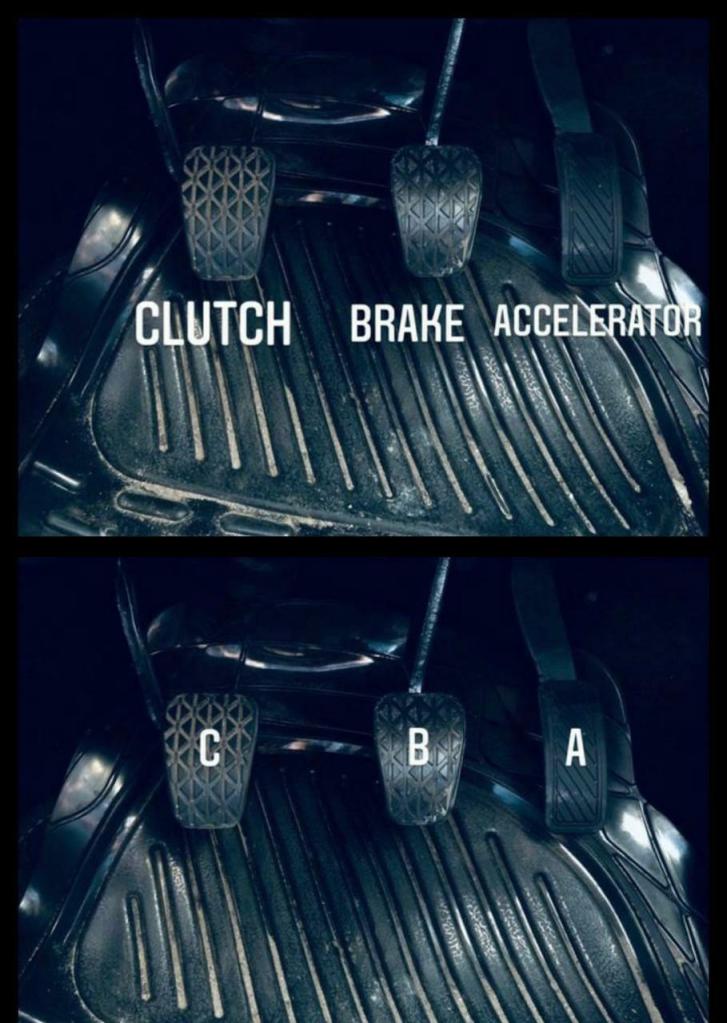
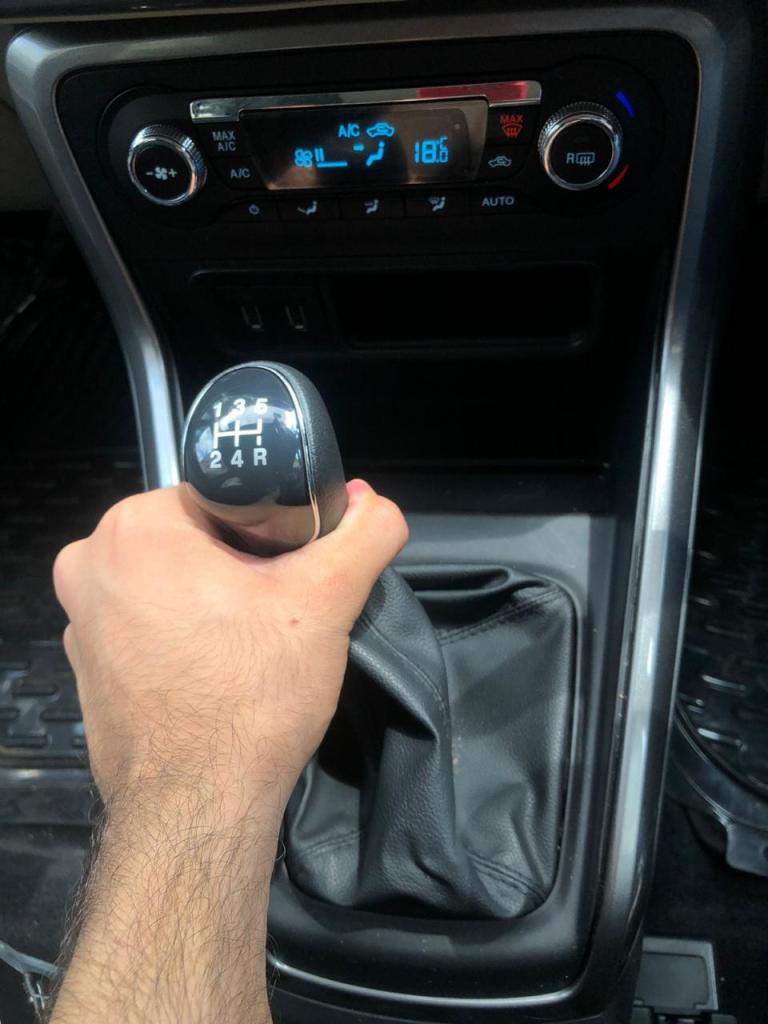
It’s of most extreme significance to understand the various pedals and levers associated with driving a vehicle. To brake it down into a simple method, lets take ABC formula to be of utmost importance.
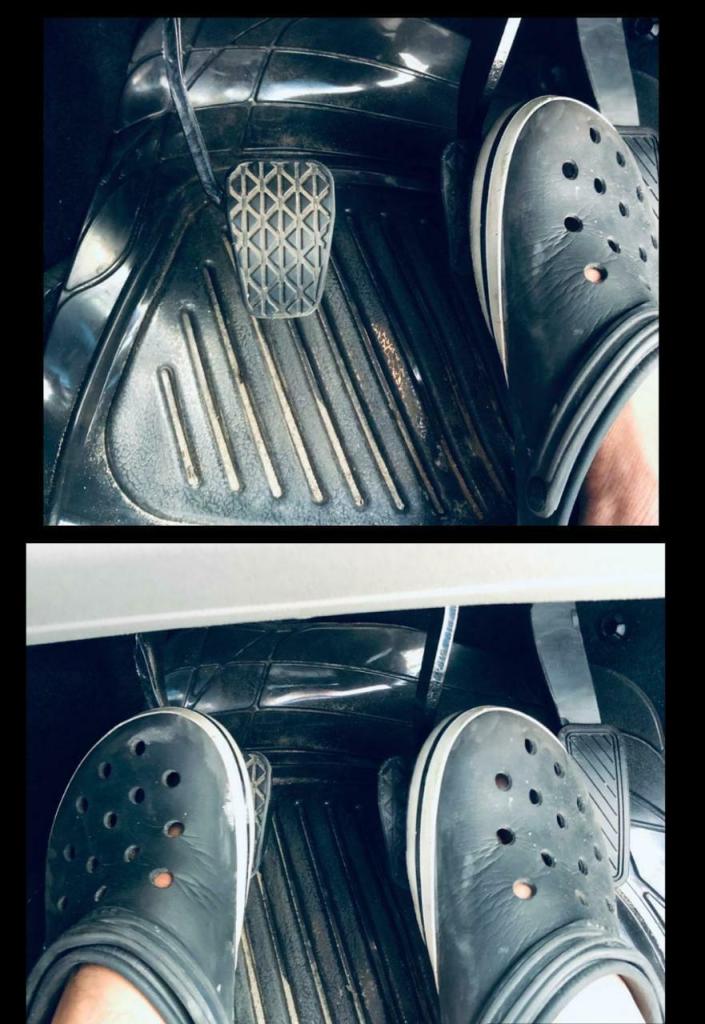
The ABC ( Accelerator , Brake , Clutch) pedals and the gear stick, The pedal on the extreme right is called the accelerator , and the pedal on the extreme left is called the Clutch while the one in the centre is called a Brake,


Accelerator – The Accelerator pedal is used to accelerate and to get the car to move from a halt, needless to say that the more you accelerate , the vehicle moves faster.


Brake – The brake pedal , as the name suggests, is to get down the speed that the vehicle is moving at or to decelerate the vehicle so it can come down to a halt. Similar to acceleration , the more force you apply to the pedal , the harder the car will brake.


Clutch– The Clutch pedal is the most critical of the three, as it is used to slot in the gear and get the car to move. It is with the use of this pedal that you can control the speed at which the car is moving as well as to transfer the power to the tyres.

STEPS TO DRIVE A MANUAL TRANSMISSION VEHICLE


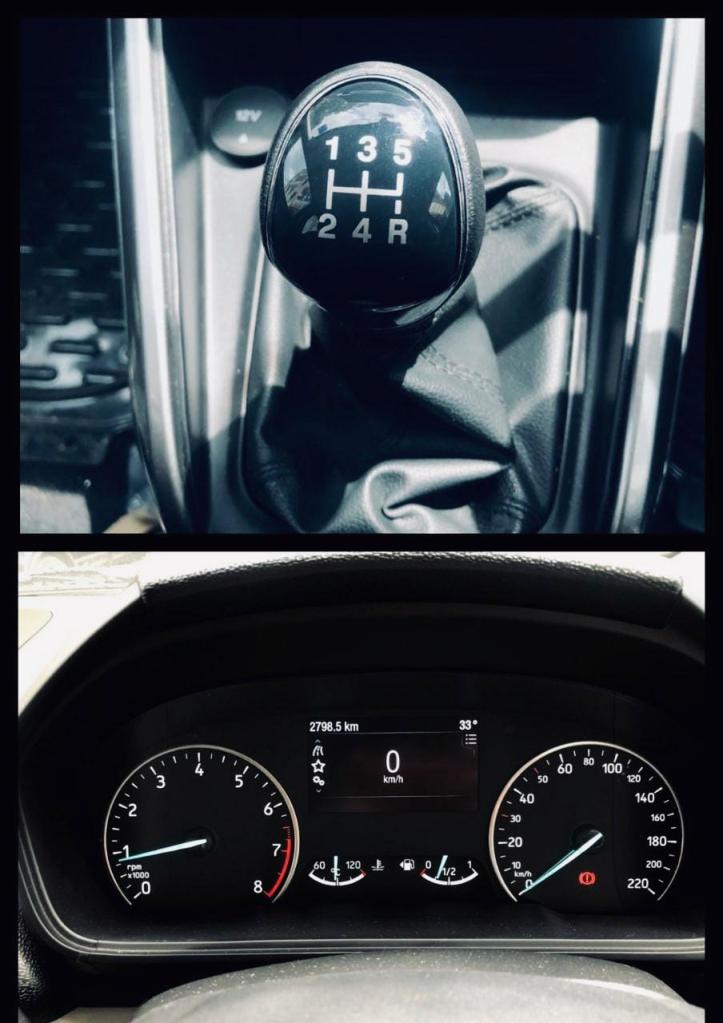
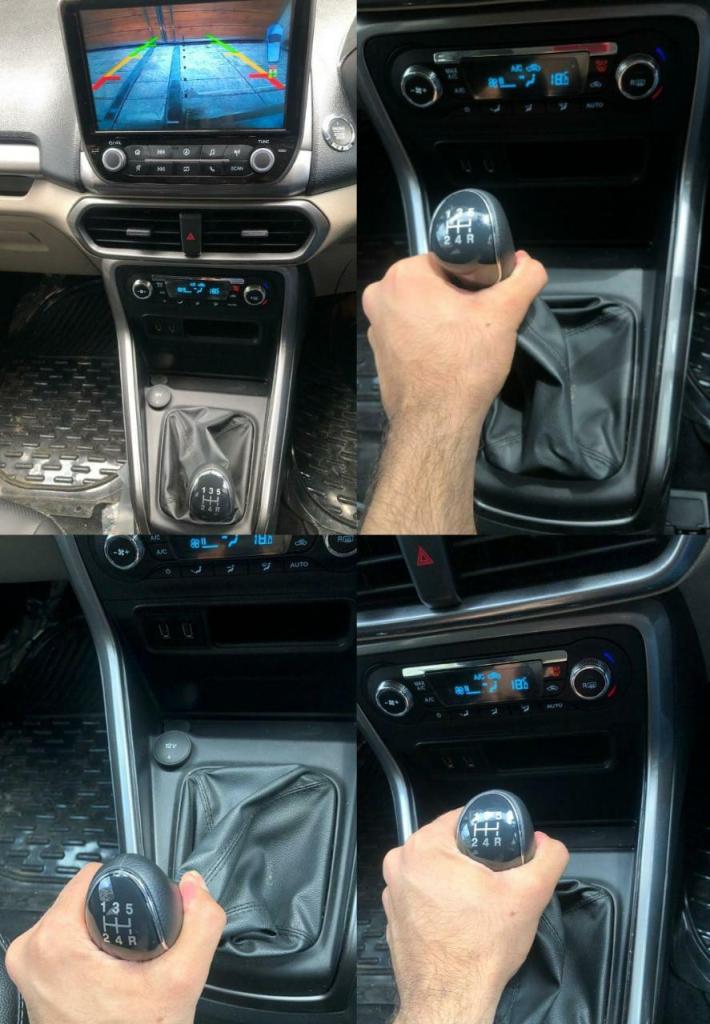
Before you turn the car on , always make sure that the seat is adjusted according to your preference and that you have put your seatbelt on. The next step is to make sure that you have familiarised yourself with the gear shifts as mentioned on the gear stick


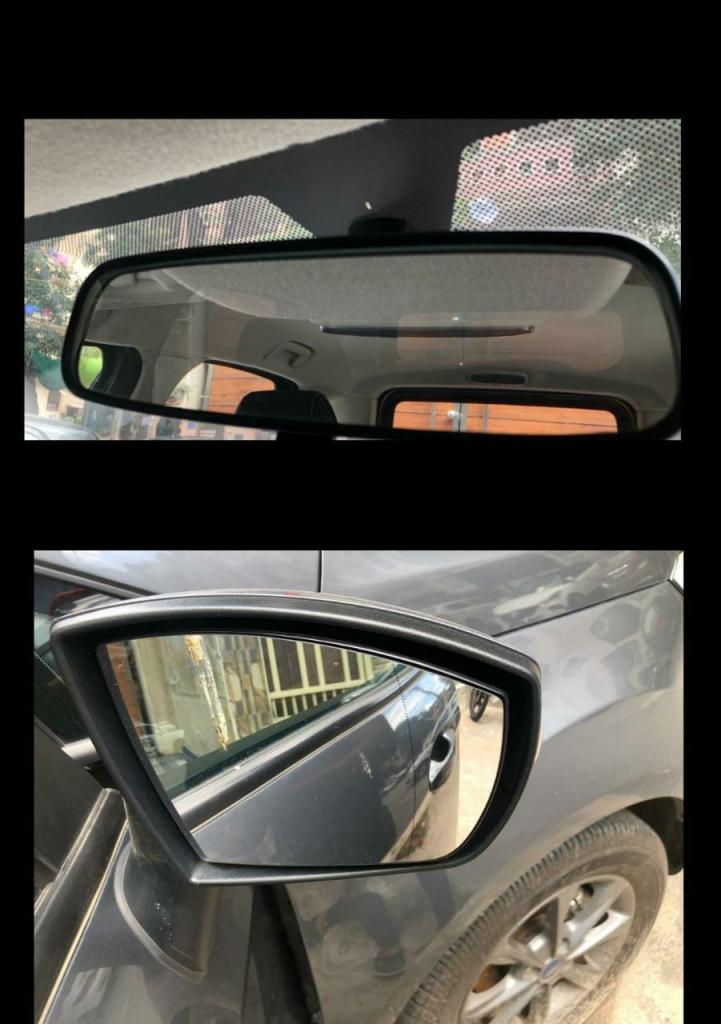
  • 1. Adjust Your Mirrors
  • After you have made your self comfortable after sitting in the car , the next step is to adjust your rear view mirror as well as your side mirrors so it’s easy for the person driving to switch lanes and to be aware of the cars around you

  • 2. Always Start The Car in Neutral
  • The second step is to always keep in mind that you start your car in neutral. One should always start the car in neutral to avoid any hiccups which might lead to an unnecessary accident.

  • 3. Shift Into The First Gear
  • Now that you have started the car in Neutral , and now that the engine is running , the driver of the car should engage his/her left leg with the clutch and shift the gear-lever into the first gear.

  • 4. Set the Car In Motion
  • To get the vehicle under way, separate the leaving brake while guaranteeing the grip pedal is as yet discouraged. Try not to quicken now. Presently, begin lifting the grip pedal until you notice a drop in fires up and the grasp plates begin to come in contact. Now, withdrawing the grasp further will make the vehicle move ahead with no accelerating input.
    There are chances that the car will stop a number of times , after which the driver will have to turn the car ignition off and turn it on once again in order to move the car. Moreover, once the car is moving always remember to release the clutch.

  • 5.Upshifting Into Higher Gears
  • With the vehicle moving, withdraw the quickening agent, draw in the grip and change the gear-switch into second rigging by following the move design. When you upshift, discharge the grip and begin applying moderate choke contributions to look after energy. The typical upshift point is the point at which the motor fires up between 1,500-2,500rpm in petroleum fueled vehicles and between 1,200rpm to 2,000rpm for diesel.

  • 6.Downshifting to Lower Gears
  • On the off chance that you experience a traffic jam and begin easing back down, you’ll notice that the vehicle begins shivering. In such a situation, you should downshift a couple of gears by following a similar procedure of releasing the accelerator, discouraging the grip and downshifting to a lower gear (say, from third to second).

  • 7.Stopping A Manual Car
  • In order to stop the manual car you need to first stop accelerating and get the gear to neutral and then let the car freewheel if there is some distance in front of you. Now, slowly apply force on the brake pedal and the car wwill slowly come to a hault. In emergency situations, the clutch pedal has to be forced with the left leg while the right leg has to be forced on the brake pedal in order to stop the car immediately.

  • 8.Reversing the Car
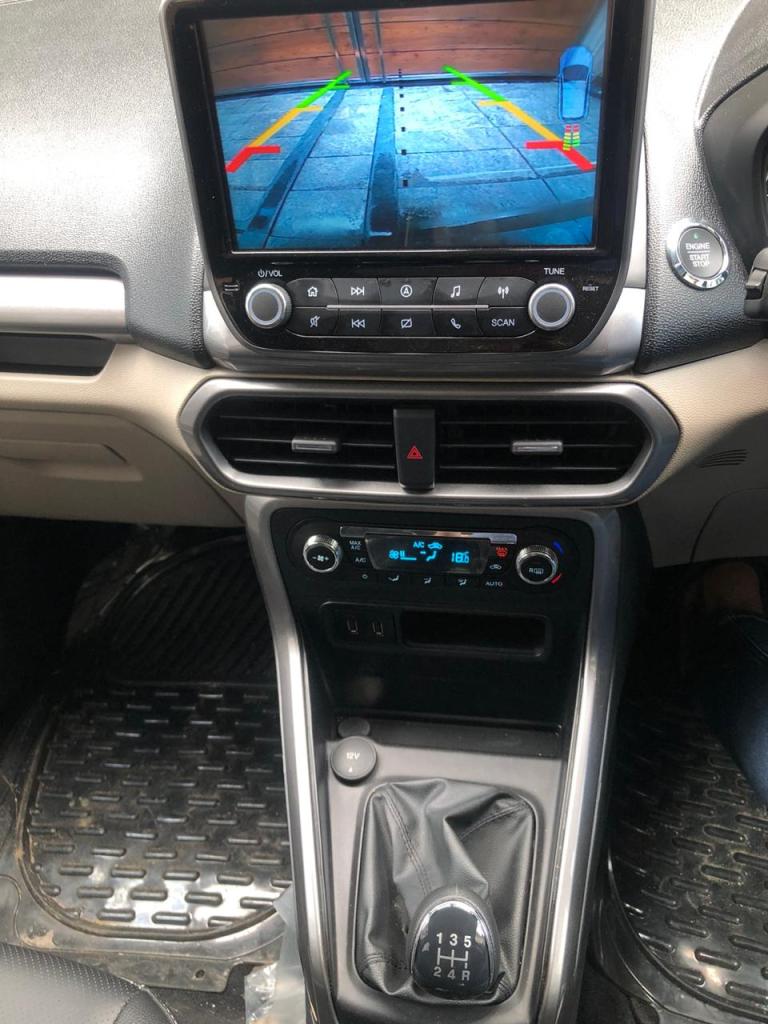
  • The first step while reversing the car is to ensure that your car is at a halt. For cars that do not have a rear camera, the driver has to check his surroundings and whether or not is there somebody or something behind him/her in order to ensure safety. In case of camera and sensors, the sensors are able to sense any activity and warn the driver in case of danger.

  • 9.Parking the Car
  • In order to park a manual car , the manual transmission doesn’t have a park mode which is usually seen in automatic transmission vehicles. It is always safer to park the car in the first or the second gear in order to avoid any movement of the vehicle as it is possible if the car is parked in a neutral gear , without the hand brake pulled up.